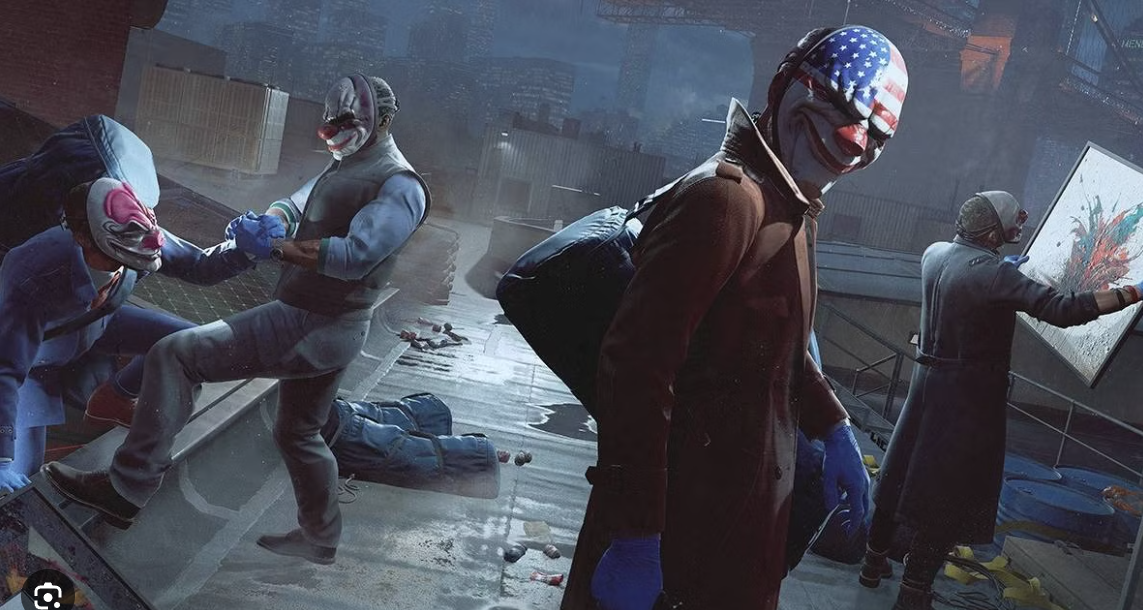

GAME TYPE: 4 player co-operative FPS
Studio: Starbreeze Studios
Location: Stockhlom, sweden
Release Year: 2023
My Role: UI & UX Design
Team size: 80-120 PEOPLE
My involvement: Pre-production > Production > Post release updates
GAAS: Monthly free updates, DLC, Game modes, Playable heist, etc.
My Contributions on the Project
Product Owner - Meta Feature Team
Owned prioritization and direction of meta features, aligning player experience goals with production scope and timelines
Collaborated closely with design, engineering, and production to define feature requirements and deliverables
Ensured cohesive UX across progression, social, and meta systems, supporting long-term engagement and scalability
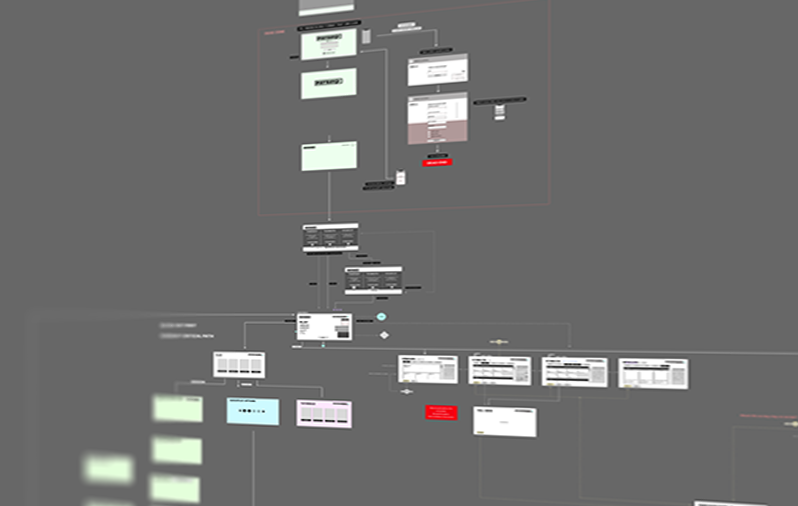
UI/UX Lead & Senior UI/UX designer
Led the UI/UX team, aligning design direction with gameplay needs and production constraints for a large-scale multiplayer experience
Defined and maintained scalable UI design systems to ensure consistency across menus, HUD, and in-game interfaces
Drove a strong focus on clarity, readability, and responsiveness for player-facing design in fast-paced cooperative gameplay
Took part and co-operated in Art direction for the UI visuals & conceptual presentation.

Payday 3 - UX Case:
Designing communication for high-pressure co-op
PAYDAY 3 can shift from controlled stealth to chaotic combat in seconds. I designed a communication system that helps 4 players coordinate quickly across controller, mouse & keyboard, voice and non-voice play, and whether they were playing with friends, strangers, or cross-platform teammates.
The Challenge
One of the features that I owned UI/UX design wise was In-game communication. Payday 3 is a game where everything can change in a heartbeat.
During early playtests we tracked several indicators that highlighted the communication problem:
~65% of stealth failures originated from uncoordinated player actions (e.g., multiple players killing guards and wasted “pagers”).
Teams without voice chat failed more then +50% more of the rate of voice-enabled teams.
Controller players were much slower at typing or using text chat, leading to missed timing windows.
Players weren’t failing due to lack of skill, they lacked a fast, accessible communication layer.
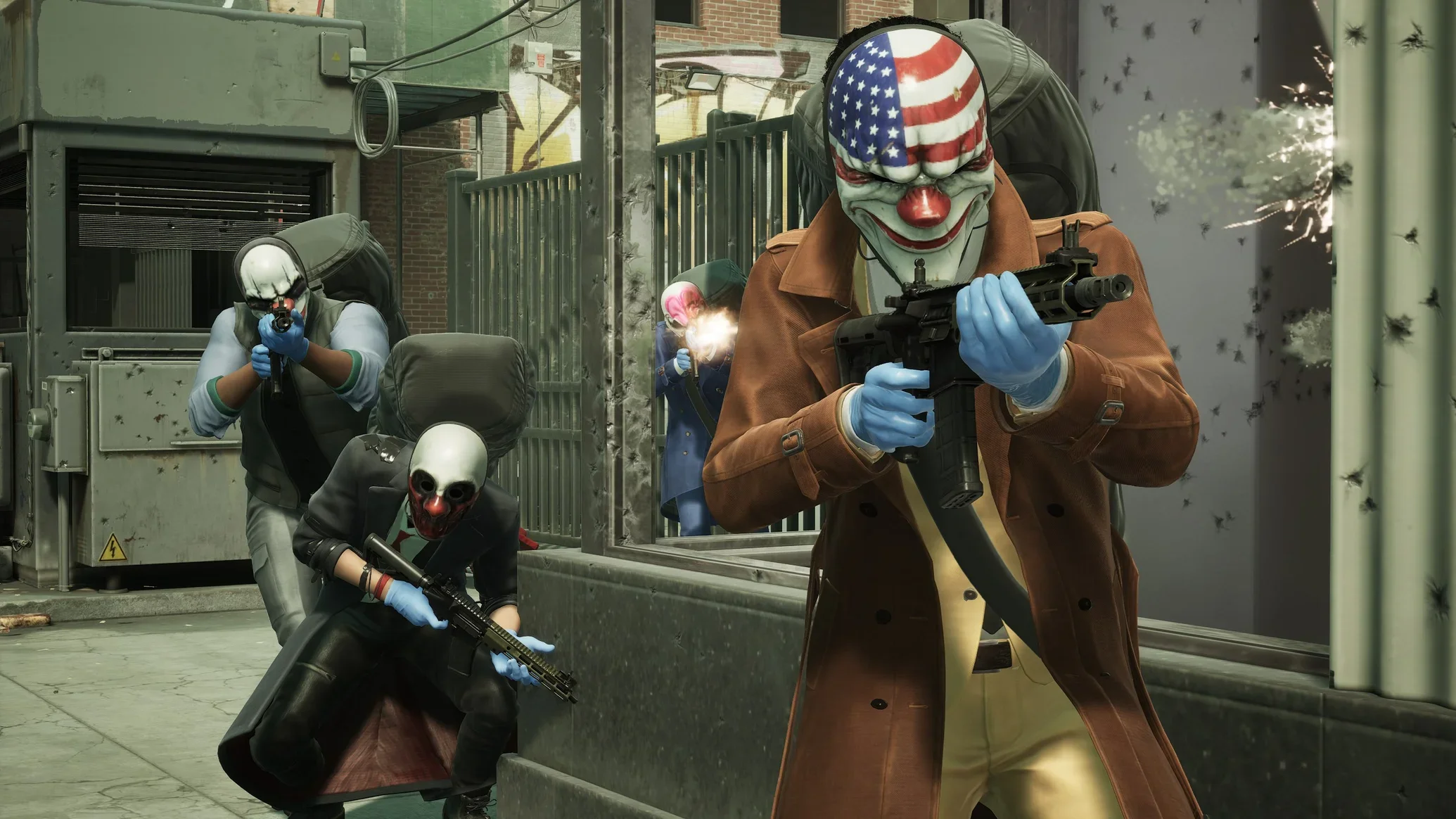
The Solution We Shipped
We built a communication system that worked whether the player had a keyboard or a controller—and whether they were in total stealth or complete chaos.
Defined user needs + gameplay requirements
Built low-fi sketches → wireframes → prototypes for rapid testing
Fast iterative cycles with engineering to align with UE5 & Nebula constraints
Continuous in-house testing to validate usability during high-pressure gameplay
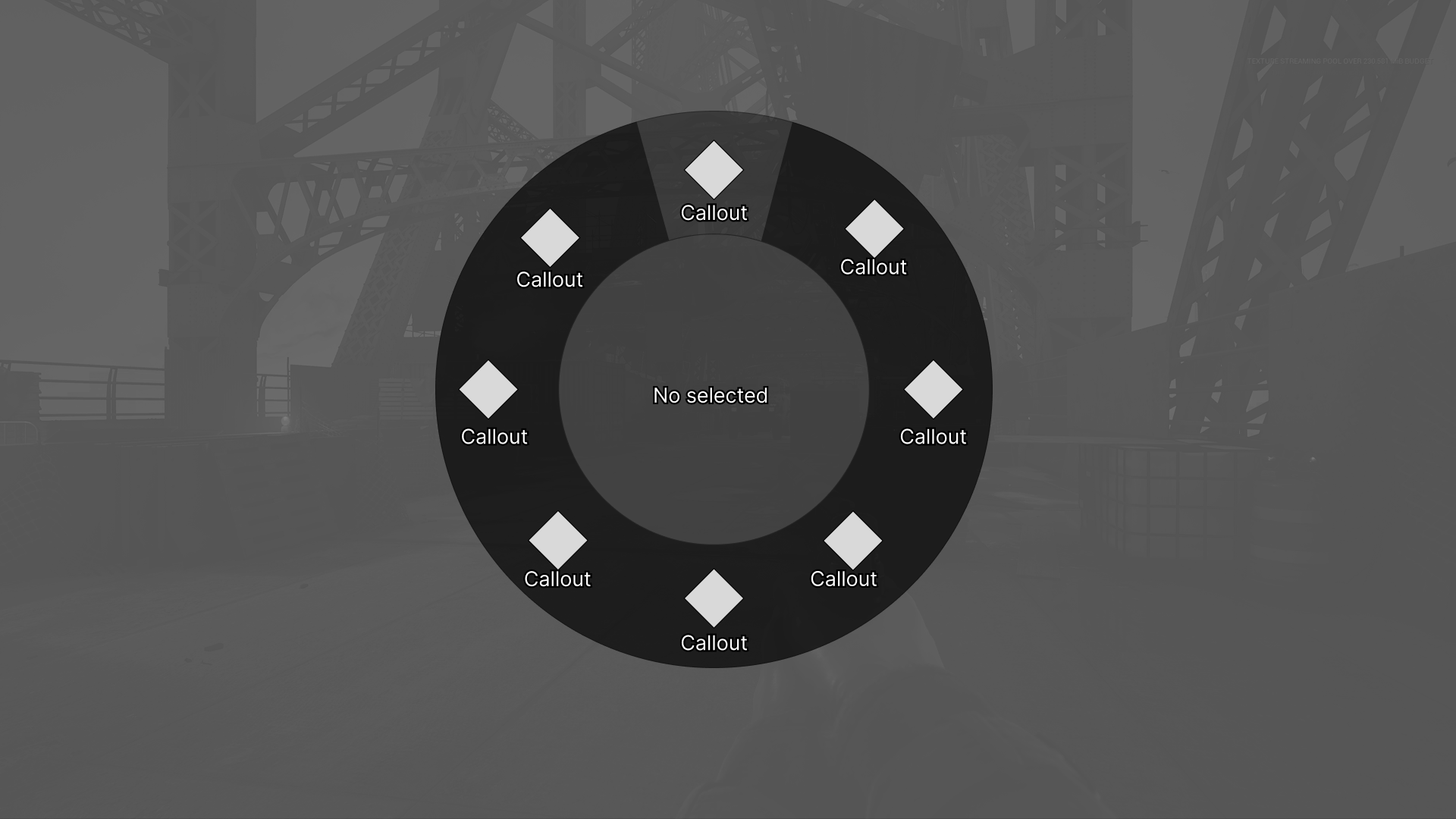
(Low-fi sketches to show the Idea of a communication wheel for callouts.)
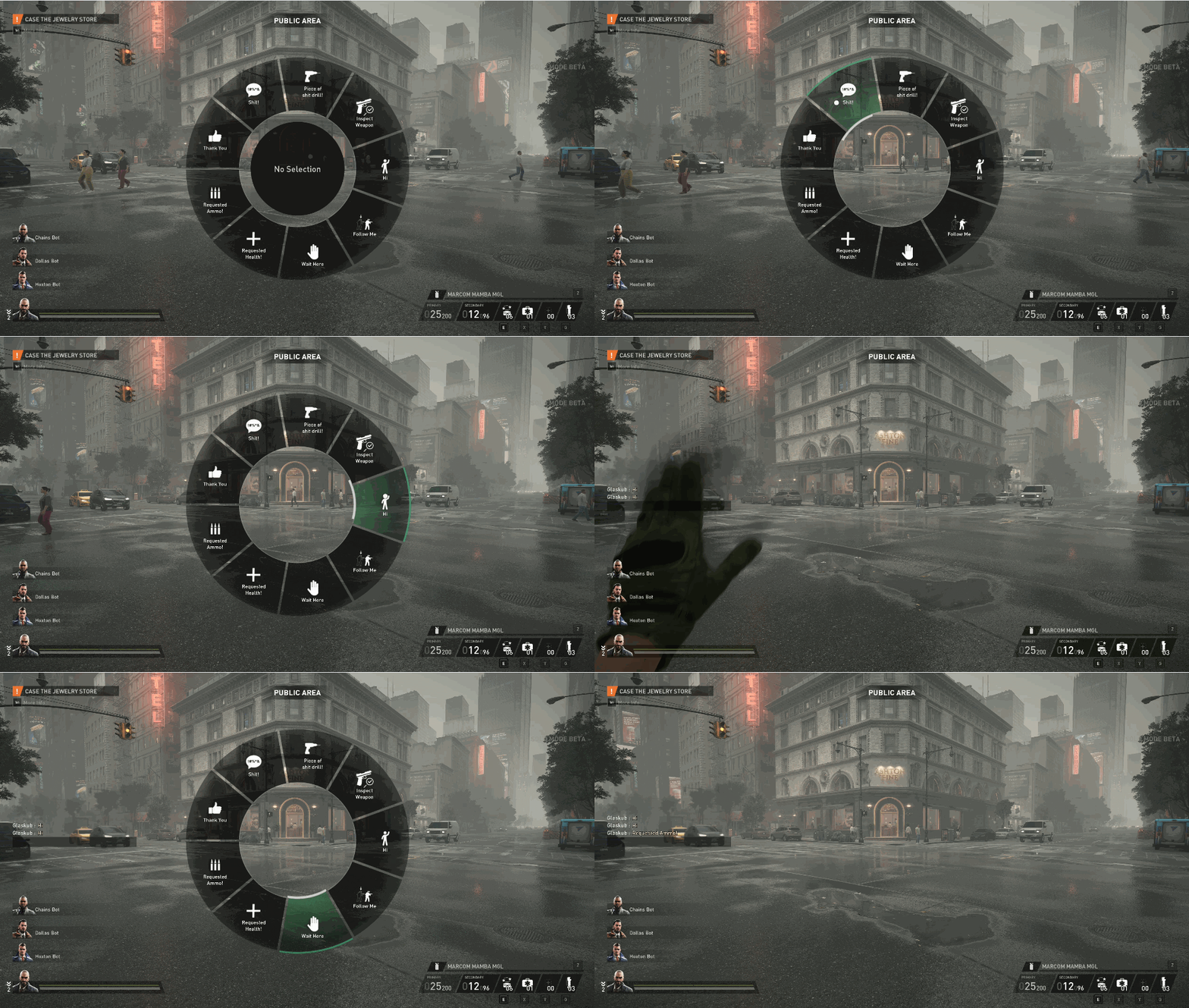
Communication Wheel
A fast radial interface delivering pre-configured callouts like:
Follow me. Need Ammo. Stay Here. Medic Bag here.
One flick of the stick or mouse—instant communication.
Text Chat
Accessible, cross-platform, and able to receive messages from the wheel—for players who preferred quick text-based coordination.
Each component worked alone, but together they formed a communication network that adapted to any playstyle.
(In-game text chat, cross-platform, quick-access)
Ping System
Players could mark:
Guards (critical for stealth)
Objectives
Loot bags
Points of interest
Everyone immediately saw the marker in the world.
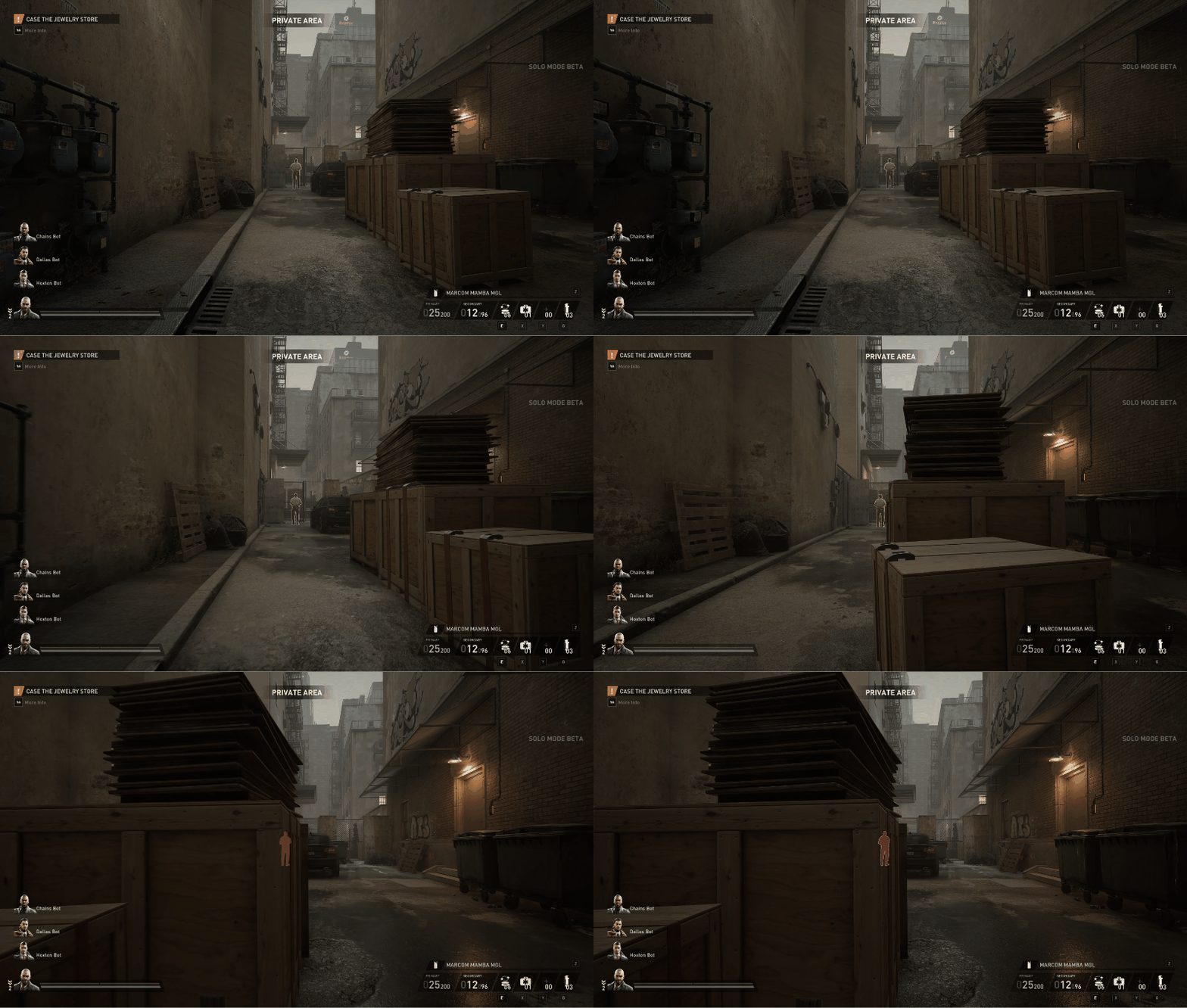
(Ping system for marking enemies, objects, bags, and world locations)
Key Implementation Techniques
I worked with the UI engineers to structure the wheel as a modular hierarchy:
Base Widget (RadialLayout)
Child Elements (WheelSlice (Icon + label + navigation logic))
Context Layer (PingContext, StealthContext, LoudContext)
The communication wheel triggered structured “message packets”:
Network-Safe (Nebula/AccelByte)
Message Type (Follow Me / Need Ammo / Guard Ping)
Sender ID
Delivery Channel (text chat or UI marker)
(This just a example of Unreal 4 Blueprint, not the actual.)
Impact
The shift was immediate in internal playtests.
Groups that previously struggled without voice chat were suddenly coordinating:
Enabled coordination without voice chat
Reduced friction in party formation
Improved clarity during stealth coordination”
Post-launch, when we added crossplay voice chat, teams meshed even more smoothly. The communication wheel and ping system remained essential for precision callouts, but now voice added a personal layer on top. Together, these systems created the most cooperative version of Payday we had ever shipped.

(Final implemented screenshot from current shipped build)
Surprising findings:
Players used pings and wheel callouts 4–5× more often during stealth.
Players Used the Wheel to “Talk Emotionally,” Not Just Tactically. During testing, players started using “Thank you,” “Shit,” and “Hi”
as emotional shorthand, almost like emotes.